15 August 2026
Data Loggers Versus Probe Thermometers
What is a Data Logger?
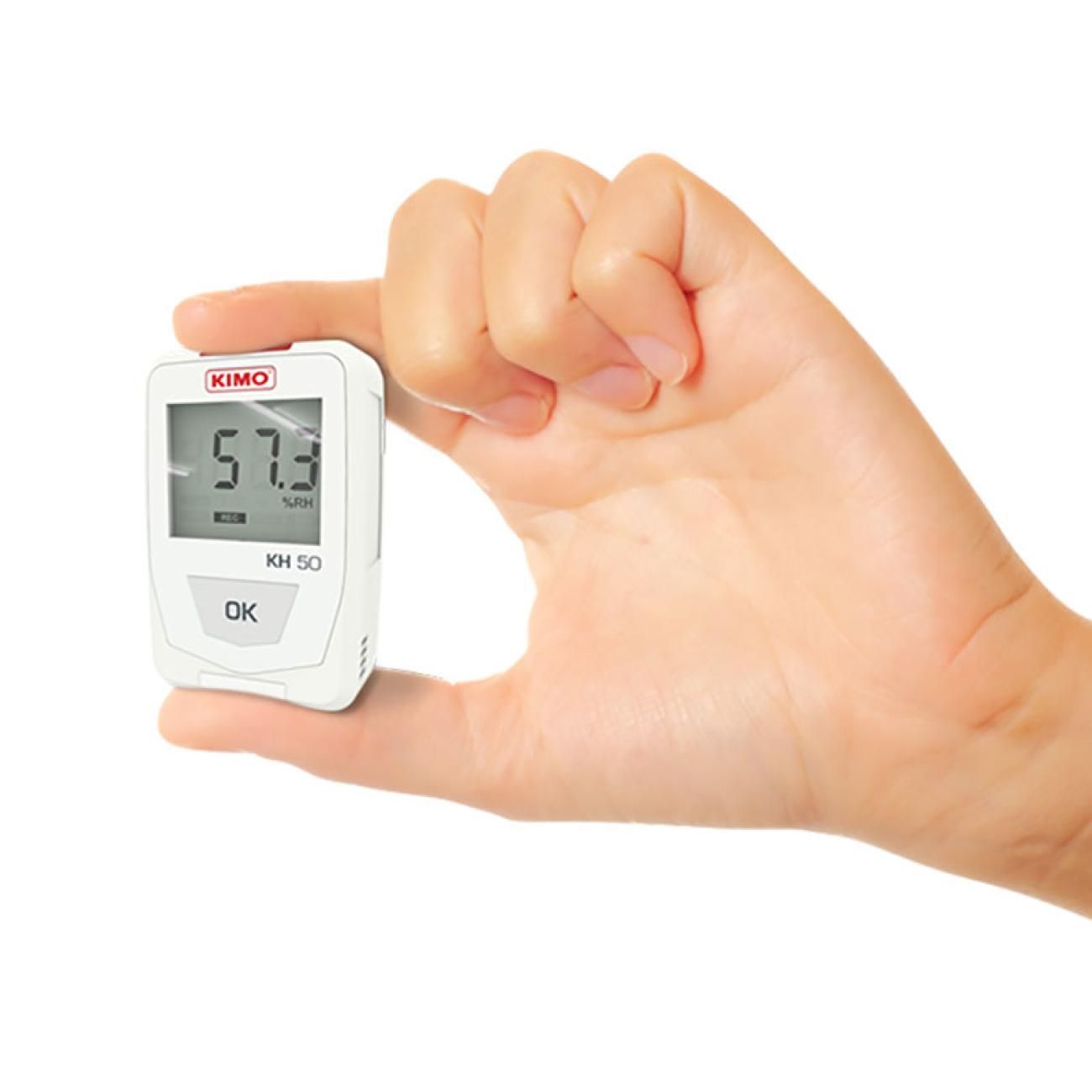
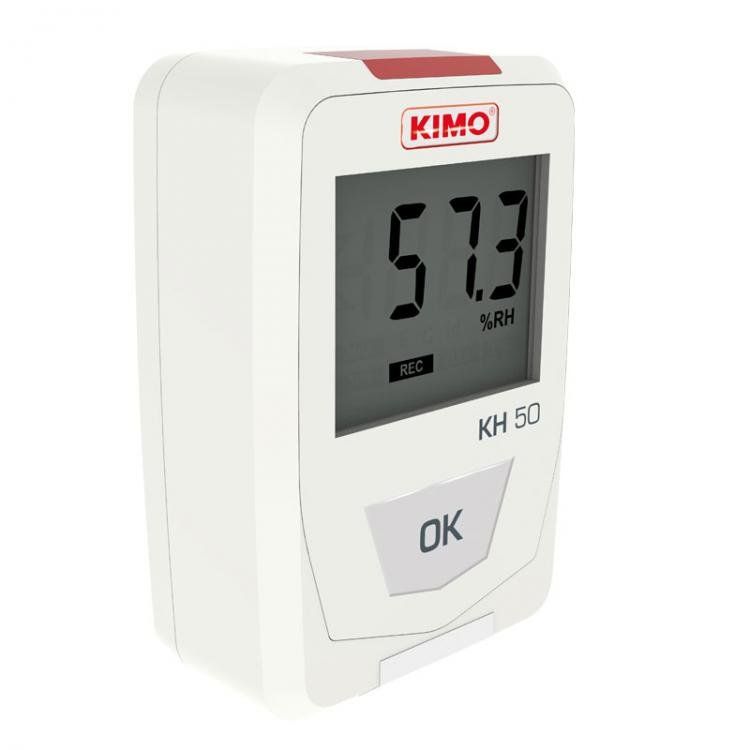
A data logger is an electronic device used to automatically measure and record data over a period of time. Data Loggers typically use a built in sensor or can be connected to one or more external sensors, to monitor conditions such as temperature, humidity and other environmental measurements.
For example, a data logger can be used to continuously monitor the temperature inside a refrigerator, freezer, blast chiller, storage container or oven. Once measurements have been recorded, the stored data can be downloaded to a computer for analysis, reporting and record keeping.
A data logger can monitor conditions continuously and provide a detailed record of what has happened over a specific period.
Benefits of Data Loggers?
Data loggers can offer several important benefits compared with manual measurement and recording.
Continuous Monitoring
Manual measurements only provide a snap shot of conditions at the time the measurement is taken. A Data logger can record measurements automatically at predetermined intervals, providing a much more complete picture over hours, days, weeks or even months.
Reduced Risk of Human Error
Manually recording large numbers of measurements can be time consuming and increases the possibility of mistakes or missed readings. Automated data logging reduces the amount of manual intervention required and provides a consistent record of measurements.
Monitor Without Disturbing the Environment
A data logger can remain inside the environment and record measurements automatically without requiring regular access.
Detailed Records for Analysis
Recorded data can be downloaded and analysed to identify trends, investigate changes in conditions and provide a documented record of measurements.
.
What Are Data Loggers Used For?
There are many different types of data logger available depending on the application and the conditions being monitored.
Common applications include:
- Refrigerators and freezers: monitoring storage temperature using an internal sensor
- Blast chillers: monitoring cooling processes using an external temperature probe
- Food production and cooking: monitoring the core temperature of food or meat during cooking
- Cheese storage and maturation: monitoring temperature and humidity over extended periods
- Mushroom growing: monitoring environmental temperature and humidity
- Warehouses and storage areas: recording ambient environmental conditions
- Laboratories: monitoring temperature and humidity where controlled conditions are important
- Office and workplaces: monitoring long term ambient conditions
Some data loggers are designed for specific environments, while other can be configured with external probes or multiple sensors to suit more demanding applications.
How Does a Data Logger Work?
A data logger measures a physical condition using its sensor at a preset recording interval. For example, it might record the temperature every minute, every five minutes or every hour.
The measurements are stored in the loggers internal memory until the data is retrieved. Depending on the model, data may then be downloaded to a computer or other device for analysis and reporting.
The recording period can vary considerably depending on the logger and application. Some devices can record data for several days, while other can operate for weeks or months.
Choosing the Right Data Logger
The most suitable data logger will depend on what you need to measure and where it will be sused.
Important factors to consider include:
- What measurement needs to be recorded?
- What temperature or environmental range will it be exposed to?
- Is a built in sensor suitable or is an external probe required?
- How frequently should measurements be recorded?
- How long does the logger need to record for?
- How will the recorded data be downloaded an analysed?
Do Data Loggers Need Calibration?
In many applications the answer is Yes. If you rely on a data logger to monitor temperature, humidity or environmental conditions, it is important to know that the measurements it records are accurate and reliable. Calibration provides confidence that the readings produced by your data logger are accurate and can be relied upon particularly where temperature measurements are important for food safety, storage, manufacturing, quality control or compliance.
What is Data Logger Calibration?
Calibration is the process of comparing the measurements produced by an instrument with a recognised reference standard to determine how accurately it is measuring.
For a temperature data logger for example, the loggers sensor can be checked against a known reference temperature at one or more points across the range in which it is intended to be used.
Calibration creates a documented link between the instruments readings and recognised measurement standards. In Ireland the National Metrology Laboratory maintains Ireland's national temperature standards. All calibration certificates provided by Techris Systems are traceable to National Standards and the National Metrology Laboratory.
Why is Calibration Important?
A data logger can continue to record measurements even if its sensor has developed an accuracy problem. Without appropriate calibration or verification, it may not always be obvious that the readings being recorded are incorrect.
For example, a data logger displaying a temperature of 5°C may appear to be operating correctly but if the sensor is actually reading 1°C (or more) too high or too low, the recorded data could give a misleading picture of the conditions being monitored.
Regular calibration helps to provide confidence that your recorded measurements accurately represent the conditions being monitored.
This can be particularly important when data is being used to:
- Monitor food storage temperature
- Check refrigerators and freezers
- Monitor blast chilling processes
- Record cooking temperatures
- Monitor temperature sensitive products
- Monitor laboratory environments
- Demonstrate compliance with internal procedures or quality requirements
- Provide records for audits or quality assurance
How Often Should a Data Logger Be Calibrated?
Annual calibration is generally required by Environmental Health Inspectors and most Quality Systems and Regulations.
What Does "Calibration Traceable to National Standards" Mean?
When choosing a data logger it is worth looking beyond simply whether the product is described as "calibrated". Often the documentation provided as standard is little more than "test results" without proper traceability and more importantly, stating a level of uncertainty in small print that is too great for any results to be meaningful. For example, if the uncertainty statement is +/- 1 degree then the recorded results do not reflect the true performance accuracy of the instrument.
Traceability to National Standards provides a documented connection between the measurements produced by the instrument and recognised national measurement standards. For temperature measurement the National Metrology Laboratory maintains the national temperature standards.
Techris Systems provide calibration certificates traceable to National Standards and the National Metrology Laboratory. This gives users greater confidence that the temperature readings recorded by the data logger have been tested, calibrated and a calibration certificate provided confirming the recorded results of the calibration performed on the instrument.
As with our range of thermometers, Techris Systems data loggers are supplied complete with a calibration certificate traceable to National Standards and included free of charge when you purchase from our range of data loggers.